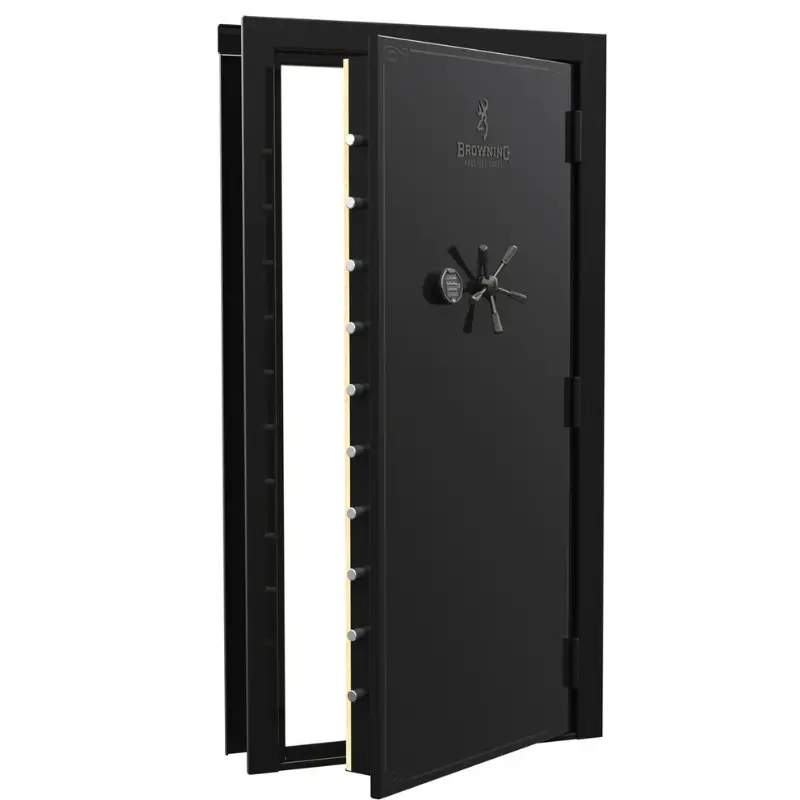
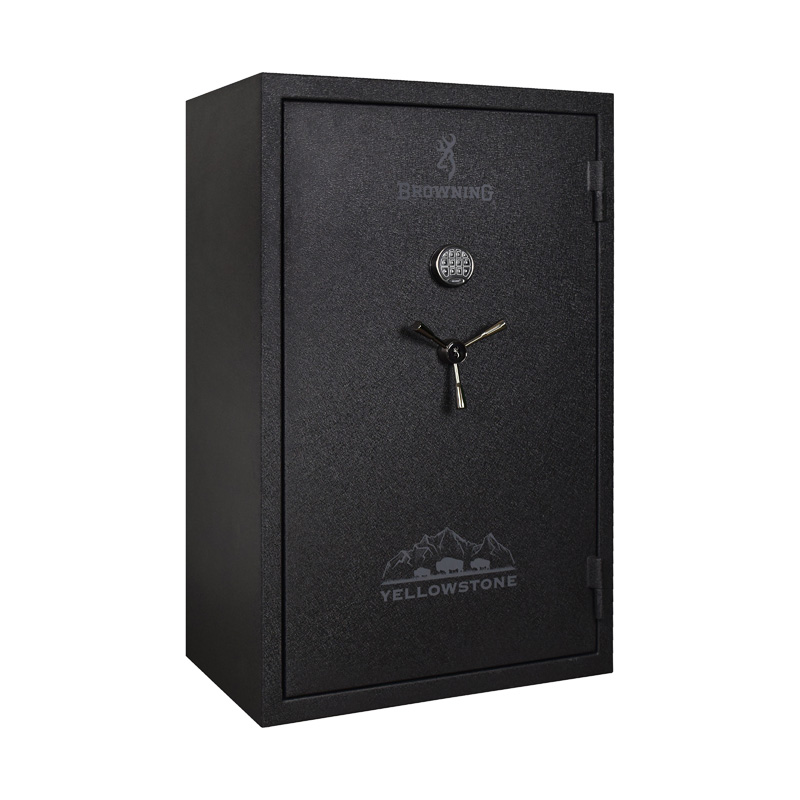
A quality safe is designed to protect your firearms, important documents, cash, jewelry, and other valuables for many years. However, like any investment, it performs best when it is properly maintained. Routine care helps ensure your safe continues to operate smoothly and provides the security you depend on.
Why Safe Maintenance Matters
Over time, dust, humidity, frequent use, and environmental conditions can affect your safe’s performance. Regular maintenance helps:
- Keep locking mechanisms working properly
- Prevent rust and corrosion
- Extend the lifespan of your safe
- Protect important contents from moisture damage
- Reduce the risk of lock or door issues
A few simple maintenance steps can help your safe remain reliable for decades.
Keep Your Safe Clean
Wipe the exterior of your safe regularly using a soft, dry cloth. Avoid harsh chemicals or abrasive cleaners that could damage the finish. Dust can also build up around the door frame and hinges, so clean these areas periodically to keep the door operating smoothly.
Control Moisture Inside the Safe
Humidity is one of the biggest threats to firearms, important documents, and valuables. Consider using a dehumidifier rod or rechargeable desiccant inside your safe to reduce moisture. If you live in a humid climate, check the humidity level regularly and replace moisture-control products as recommended.
Inspect the Door Seal
If your safe includes a fire seal, inspect it occasionally for cracks, wear, or damage. A properly sealed door helps protect your belongings during a fire and keeps dust and moisture from entering the safe.
Test the Lock Regularly
Whether your safe has a mechanical dial, electronic keypad, or biometric lock, test it periodically to ensure it functions correctly. For electronic locks, replace the batteries before they become weak, even if the lock still appears to be working normally.
Avoid Overloading Your Safe
Store items in an organized manner and avoid placing excessive weight on shelves beyond the manufacturer’s recommendations. Overloading can damage shelves and make it difficult to access your belongings.
Check Bolts and Hardware
If your safe is bolted to the floor, inspect the mounting hardware occasionally to ensure it remains secure. Tighten any loose bolts and verify that the safe remains level and stable.
Schedule Professional Service When Needed
If you notice difficulty opening the door, unusual sounds, or problems with the locking mechanism, avoid forcing the safe open. Contact a qualified safe professional to inspect and service the unit before minor issues become costly repairs.
Final Thoughts
Your safe is built to provide reliable protection for years, but routine maintenance plays an important role in preserving its performance. By keeping it clean, controlling humidity, checking the lock, and addressing small issues early, you can help ensure your safe continues to protect what matters most for the long term.